Learn
Metal Roof Insurance Claims: What Homeowners Need to Know
You paid extra for a metal roof that lasts decades. Then hail hit it — and the insurance company says the dents are "cosmetic." Metal roof claims play by different rules. Here's the rulebook.
Why Metal Roof Claims Are Different
Most roof claim guidance assumes asphalt shingles, because most roofs are asphalt shingles. Metal roofs — standing seam, stone-coated steel, metal shingles — behave differently under hail and wind, cost two to three times more to replace, and trigger a specific set of insurance defenses you won't see on a shingle claim.
The core tension: metal is durable. A hailstorm that would total an asphalt roof may leave a metal roof dented but fully functional — still shedding water, still protecting the home. Insurance companies use that durability against you, arguing the damage is cosmetic and doesn't impair the roof's function. Whether that argument holds depends on your policy language, your state's rules, and the actual condition of the roof — which is why metal roof claims reward homeowners who understand their policy before they file.
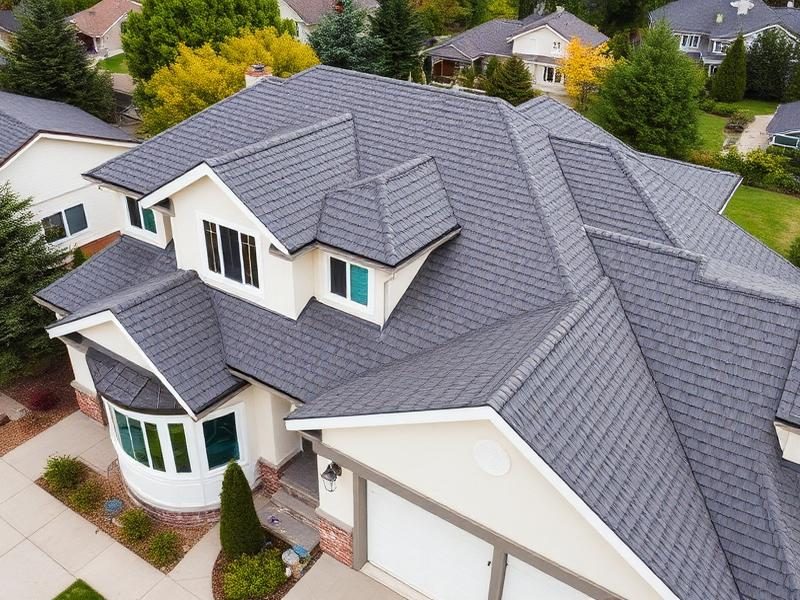
The Cosmetic Damage Exclusion
This is the big one. Many modern homeowners policies — especially in hail-prone states — include a cosmetic damage exclusion for metal roofing (and sometimes for all roofing). The exclusion says the carrier won't pay for damage that affects appearance but not function: dents, dings, and pocks that don't cause leaks or shorten the roof's life.
If your policy has this exclusion and your metal roof is dented but watertight, the carrier has a contractual basis to deny or drastically reduce the claim — and no amount of arguing changes the contract you signed. This is why the single most important step for a metal roof owner happens before any storm: read your policy's roofing provisions and know whether you have a cosmetic exclusion, and what it actually says. Our policy decoding guide walks through the key provisions to check.
Important nuances that are often missed:
- "Cosmetic" has to actually be cosmetic. Dents that crack coatings, expose bare metal, break seams, or compromise fasteners aren't cosmetic — they're functional damage that invites corrosion and leaks. Document the damage type, not just the damage presence.
- Exclusions vary enormously. Some exclude cosmetic damage to metal only; some exclude it for all roofing; some don't have the exclusion at all. Don't assume — read your declarations and endorsements.
- Some states restrict these exclusions. A few states limit or regulate cosmetic damage exclusions. Your state's department of insurance can tell you what's allowed where you live.
The Repair-vs.-Replace Fight
On shingle roofs, widespread hail damage usually means replacement — you can't un-bruise a shingle. Metal is repairable in ways shingles aren't: individual panels can sometimes be replaced, dents can sometimes be worked out. Carriers lean hard on this, proposing spot repairs where a homeowner sees a ruined roof.
Sometimes the carrier is right — a few dented panels on an otherwise sound standing-seam roof may genuinely be a panel-replacement job, not a $40,000 full replacement. But "repair" has to mean a real repair: panels must be available in matching profile and color, the repair must restore the roof to pre-loss condition, and it must not void manufacturer warranties. When matching panels are discontinued — common with older metal roofs — or when the repair would leave a patchwork that hurts the home's value, "repair it" stops being a reasonable position. Get the repair-vs.-replace question answered in writing by a contractor who actually works on metal, not a generalist guessing at it.
When reading the carrier's estimate on a metal claim, scrutinize the repair scope the same way you'd scrutinize a shingle replacement scope: are the right panels specified? Is the labor realistic for metal work (which is specialized and slower)? Are trim, flashing, and fasteners included?
Matching, Fading, and Discontinued Panels
Metal roofs fade. A ten-year-old standing seam roof has weathered to a different shade than factory-new panels, and manufacturers discontinue colors and profiles regularly. If the carrier approves replacing six panels, the new panels won't match the old ones — and a roof with a visible patchwork isn't restored to pre-loss condition.
Matching is one of the most winnable fights in a metal roof claim, because "restore to pre-loss condition" is the standard in most policies, and a mismatched patch fails that standard on its face. Document the mismatch: photos of the existing roof's weathering, manufacturer confirmation that the profile or color is discontinued, and a contractor's statement that matching panels are unavailable. Some policies have explicit matching language (for or against you) — another reason to read the contract before the fight starts.
How to Document a Metal Roof Claim
Metal damage photographs differently than shingle damage. Hail bruising on shingles shows as dark spots; dents in metal show best in raking light — early morning or late afternoon sun at an angle makes every dent pop, while overhead midday sun washes them out. If your photos were taken at noon on a bright day, the adjuster's photos may genuinely not show what you see at 7 AM.
- Shoot in raking light. Angle the camera so light grazes across the panels. Dents you can't see at noon become obvious.
- Document coating damage separately. Cracked or scraped coatings are functional damage (corrosion risk), not cosmetic. Close-ups with scale.
- Photograph seams, fasteners, and flashing. Hail that deforms seams or pops fasteners has compromised the system, not just its looks.
- Get a metal-experienced contractor's written assessment. "Functional vs. cosmetic" is a technical judgment — have a specialist make it in writing.
- Pull the policy before the adjuster arrives. Know your cosmetic exclusion status, your matching language, and your deductible before anyone sets foot on the roof.
For the general hail-coverage questions that apply to every roof type, see whether insurance covers hail damage.
The Honest Bottom Line
Metal roof claims are winnable, but they're technical — and the homeowners who win them are the ones who read their policy first, document in the right light, and bring specialist evidence to functional-vs.-cosmetic fights. The homeowners who lose them usually lost at the policy stage years earlier, when they bought a roof the policy was written to underpay. If you're shopping for a metal roof now, price the insurance reality into the decision: ask your agent, in writing, how the policy treats cosmetic metal damage before you sign the roofing contract.
Decode your policy before the adjuster arrives
The Policy Decoder ($17) translates your homeowners policy into plain English — cosmetic exclusions, matching language, ACV vs. RCV, deductibles — so you know exactly what your contract covers before you file a metal roof claim.